
Water leaks can cause significant damage to your home, often going unnoticed for long periods. Detecting a hidden water leak in your home is essential to prevent costly repairs and ensure the safety of your living space. This article will cover the signs to look for, methods to detect leaks, and when to call a professional plumber in Newnan.
Understanding Hidden Water Leaks
Hidden leaks in homes can occur in various places, including walls, ceilings, and beneath floors. These leaks may not always be visible, making them tricky to identify until they cause significant damage. Understanding where leaks commonly occur can help you monitor your home more effectively.
Common Signs of a Water Leak
Identifying the signs of a water leak early can save you from extensive damage. Here are some common indicators:
- Increased Water Bills: A sudden spike in your water bill can signal a leak.
- Water Stains: Look for discoloration or stains on walls or ceilings.
- Mold Growth: Mold or mildew in damp areas can indicate a leak.
- Sound of Running Water: If you hear water running when all fixtures are off, you may have a leak.
In Newnan, Georgia, where the humidity can exacerbate moisture issues, being vigilant about these signs is crucial.
Methods to Detect Water Leaks
There are several methods you can use to detect hidden water leaks in your home:
- Visual Inspection: Regularly check areas prone to leaks, such as under sinks and around toilets.
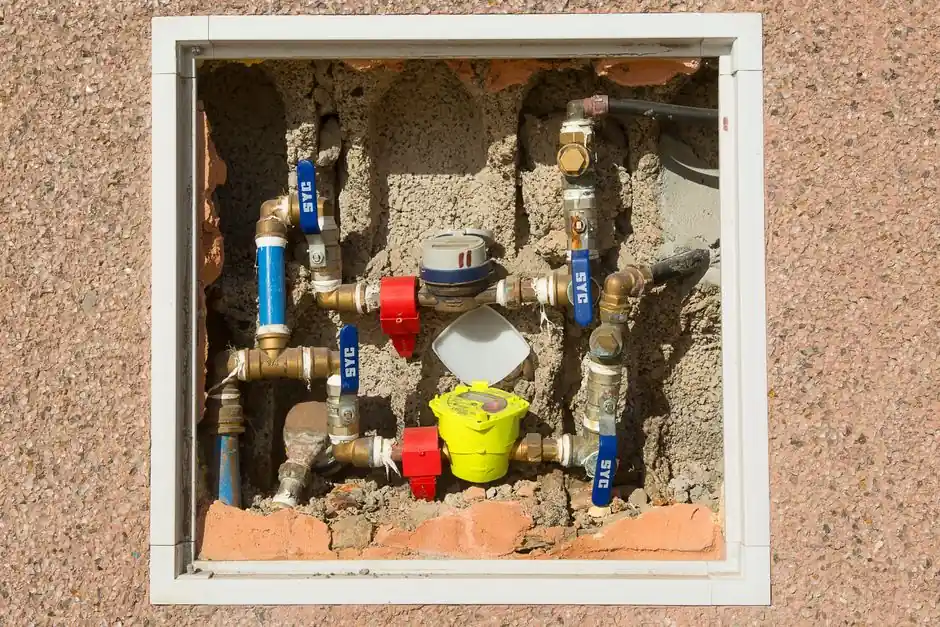
- Water Meter Test: Turn off all water sources and check your water meter. If it continues to move, you likely have a leak.
- Pressure Test: This involves checking the pressure in your water system. A drop in pressure can indicate a leak.
These methods can help you identify potential leaks before they turn into significant problems, but they often require some plumbing knowledge.
Tools for Leak Detection
Utilizing the right tools can make leak detection easier:
- Moisture Meter: This device measures moisture levels in walls and ceilings.
- Infrared Camera: An infrared camera can detect temperature differences in walls, indicating moisture presence.
- Acoustic Listening Devices: These tools can help you hear the sound of water escaping from pipes.
For homeowners in Newnan, Georgia, investing in these tools can provide peace of mind and help you maintain your home effectively.
Common Mistakes to Avoid
When trying to detect hidden water leaks, avoid these common mistakes:
- Ignoring Small Signs: Small stains or slightly higher bills can indicate bigger problems.
- Delaying Repairs: Addressing leaks promptly can prevent extensive damage.
- Overlooking Seasonal Changes: Weather can affect moisture levels; be vigilant during rainy seasons.
Being proactive rather than reactive can save you time and money in the long run.
When to Call a Professional
If you suspect a hidden water leak but cannot locate it, it's time to call a professional. Pipe Pros offers leak detection and repair services in Newnan, ensuring that hidden leaks are found and fixed quickly. Our experienced team uses advanced technology to identify leaks and prevent further damage to your home.
Frequently Asked Questions
How can I tell if I have a hidden water leak? Look for signs such as increased water bills, water stains on walls, or mold growth. If you notice any of these, it's wise to investigate further.
What should I do if I suspect a leak in my home in Newnan? First, check for visible signs of water damage. If you cannot find the source, consider conducting a water meter test or calling a plumber for professional help.
Do plumbers offer leak detection services in Newnan? Yes, many plumbers, including Pipe Pros, offer specialized leak detection services to help homeowners identify and repair leaks efficiently.
Can I fix a hidden leak myself? Depending on the severity and location of the leak, you may be able to handle minor repairs. However, for significant issues, it's best to call a professional.
How often should I have plumbing inspections in Newnan? It's advisable to have plumbing inspections at least once a year, especially in older homes, to catch potential leaks early.